

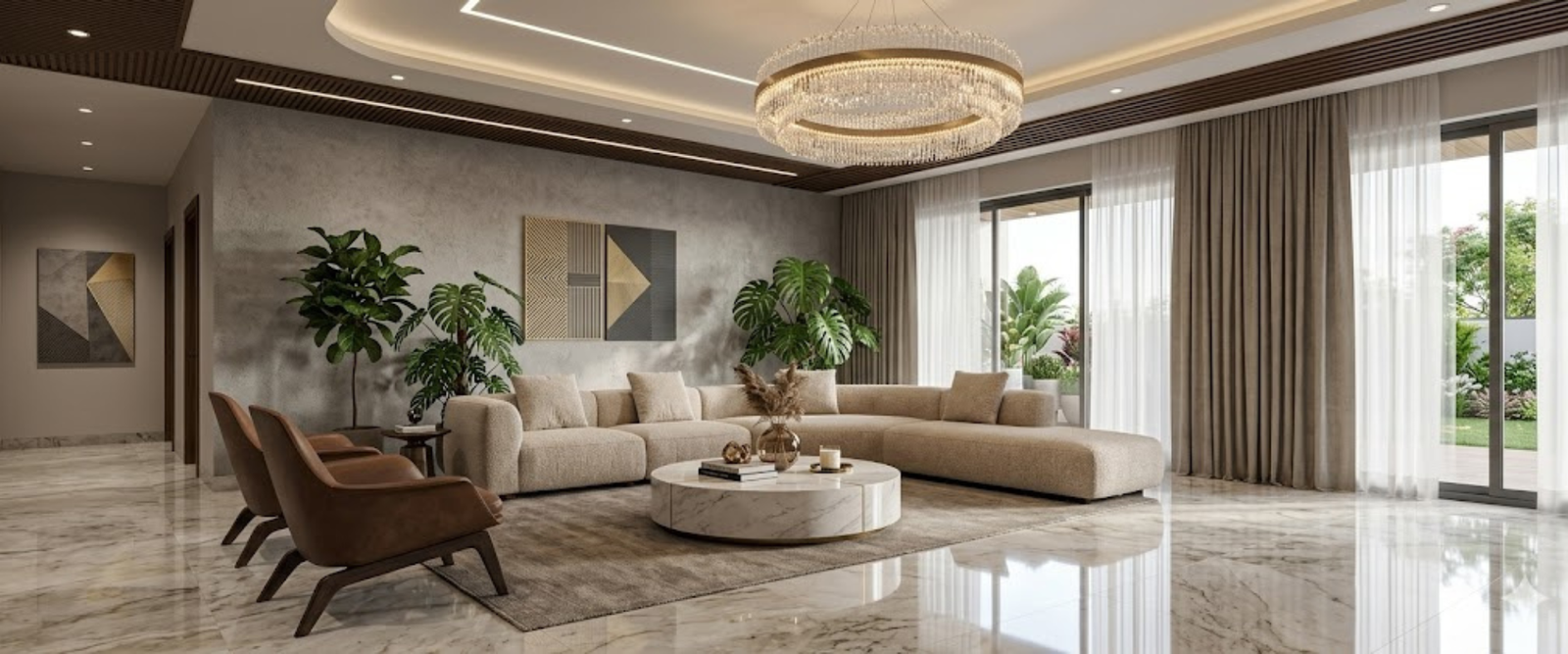
Best Interior Design Ideas for Modern Homes
Modern homes are all about creating a space that feels stylish, comfortable, functional, and timeless. With changing lifestyles and evolving design trends, homeowners are looking for interiors that combine contemporary aesthetics with practical solutions. From open-plan living spaces and minimal furniture to smart storage and elegant lighting, modern interior design offers endless possibilities to transform an ordinary home into a sophisticated living environment.
Whether you are designing a new home or renovating an existing space, choosing the right interior design ideas can make a significant difference. The key is to create a balanced environment where colors, materials, furniture, lighting, and décor work together seamlessly. Here are some of the best interior design ideas for modern homes that can help you create a beautiful and functional space.
1. Embrace Minimalist Interior Design
Minimalism is one of the most popular approaches to modern home interiors. It focuses on simplicity, clean lines, functional furniture, and clutter-free spaces. Instead of filling a room with too many decorative elements, modern minimalist interiors carefully select a few statement pieces.
Choose furniture with simple shapes and neutral colors. Avoid unnecessary décor and keep surfaces organized. Built-in storage solutions can help hide everyday items while maintaining a clean appearance.
A minimalist home does not have to look plain. You can introduce personality through textures, artwork, indoor plants, rugs, or statement lighting. The goal is to create a space that feels open, calm, and visually balanced.
2. Choose a Neutral Color Palette
Colors play an important role in defining the atmosphere of a home. Neutral shades such as white, beige, cream, grey, taupe, and soft brown are excellent choices for modern interiors.
A neutral base creates a sophisticated and timeless appearance. You can then introduce accent colors through furniture, cushions, curtains, artwork, or decorative accessories.
For example, a combination of warm beige walls, wooden finishes, soft lighting, and black accents can create an elegant contemporary look. Similarly, white and grey interiors combined with natural wood can give a home a fresh and modern character.
The important thing is to maintain consistency throughout the home while allowing each room to have its own personality.
3. Create an Open and Spacious Living Area
Open-plan layouts are increasingly popular in modern homes. Combining the living room, dining area, and kitchen creates a sense of openness and makes smaller homes appear more spacious.
Instead of using solid walls to separate spaces, consider using furniture, lighting, flooring, or decorative partitions to define different zones.
A sofa can separate the living room from the dining area, while a kitchen island can act as a transition between the kitchen and living space. Glass partitions, wooden slat dividers, and open shelving can also provide separation without making the space feel closed.
This approach is particularly useful for families who want better interaction between different areas of the home.
4. Add Elegant Wooden Elements
Wood continues to be a popular material in modern interior design because it adds warmth and natural character. Wooden finishes can be used for flooring, wall panels, wardrobes, TV units, kitchen cabinets, doors, and furniture.
Modern interiors often combine wood with materials such as glass, metal, marble, acrylic, or laminate to create a premium appearance.
For example, a wooden TV wall combined with subtle LED lighting can become a beautiful focal point in the living room. Similarly, wooden wardrobes with neutral finishes can create a sophisticated bedroom atmosphere.
Natural textures help balance the clean lines commonly found in contemporary interiors.
5. Make Lighting a Design Feature
Good lighting can completely transform the appearance of a modern home. Instead of relying only on a central ceiling light, consider using multiple layers of lighting.
Ambient lighting provides overall illumination, while task lighting is useful for specific activities. Accent lighting can highlight architectural features, artwork, wall panels, or decorative objects.
LED strip lighting is particularly popular for modern interiors. It can be incorporated into false ceilings, wardrobes, TV units, kitchen cabinets, shelves, and headboards.
Warm white lighting generally creates a comfortable and luxurious atmosphere, making it ideal for bedrooms and living areas.
6. Design a Statement TV Unit
The TV wall is often one of the main focal points of a modern living room. A well-designed TV unit can combine entertainment, storage, and aesthetics.
Instead of using a simple TV stand, consider a full-height feature wall with wooden panels, textured finishes, stone-look surfaces, floating cabinets, and integrated lighting.
Floating storage units can keep the floor area visually clean while providing space for electronics and accessories. Open shelves can be used to display books, plants, artwork, or decorative objects.
The design should complement the overall color scheme of the living room rather than overpowering it.
7. Focus on Smart Storage Solutions
A beautiful home also needs to be practical. Modern interior design therefore places strong emphasis on smart storage.
Floor-to-ceiling wardrobes, modular kitchen cabinets, built-in shelves, storage beds, hidden drawers, and multifunctional furniture can help maximize available space.
In smaller homes, every square foot matters. Furniture with built-in storage can provide additional functionality without making rooms look crowded.
For example, a bedroom platform bed can include drawers underneath, while an entrance console can include concealed storage for everyday items.
Smart storage allows you to maintain a clean and organized home without compromising on style.
8. Bring Nature Indoors
Indoor plants are an easy way to add freshness and natural beauty to modern interiors. Plants can soften the appearance of contemporary furniture and introduce organic textures into the space.
Large floor plants can be placed in living room corners, while smaller plants can be displayed on shelves, coffee tables, or kitchen counters.
If maintaining real plants is difficult, low-maintenance varieties can be considered. Natural materials such as rattan, cane, jute, stone, and wood can also help create a connection with nature.
Large windows that allow natural light into the home can further enhance this effect.
9. Create a Luxurious Modern Bedroom
The bedroom should feel comfortable, relaxing, and personal. Modern bedroom design often combines soft colors, clean furniture, layered lighting, and elegant textures.
A statement headboard wall can become the centerpiece of the bedroom. Wooden panels, upholstered panels, marble-look finishes, wallpaper, or textured surfaces can be used behind the bed.
Add bedside tables with pendant lights or wall-mounted lamps to create a sophisticated appearance. A large wardrobe with a combination of glass, laminate, acrylic, or wood finishes can provide both storage and style.
Soft bedding, curtains, rugs, and warm lighting can complete the luxurious look.
10. Design a Functional Modular Kitchen
The kitchen is one of the most important areas of a modern home. A well-planned modular kitchen should combine efficient storage with attractive finishes.
Handleless cabinets, tall storage units, pull-out drawers, corner solutions, built-in appliances, and overhead cabinets can improve functionality.
For a contemporary appearance, consider combinations such as matte beige and wood, white and grey, dark green and wood, or neutral tones with metallic accents.
A kitchen island or breakfast counter can provide additional preparation space while also creating a casual dining area.
11. Use Textures to Add Depth
Modern interiors do not need to depend only on colors to create visual interest. Different textures can make a room feel richer and more sophisticated.
Combine smooth surfaces with textured walls, soft fabrics, natural wood, stone finishes, glass, and metal accents.
For example, a plain neutral wall can become more interesting with wooden fluted panels or a textured finish. Similarly, a smooth wardrobe can be complemented by an upholstered bed and a soft rug.
The combination of different textures creates depth without making the interior feel overly decorative.
12. Add a Modern False Ceiling
A thoughtfully designed false ceiling can enhance the architectural character of a room. Cove lighting, recessed lights, geometric details, and layered ceiling designs can create a refined modern look.
However, the ceiling design should suit the size and height of the room. Overly complicated designs can make a smaller room appear crowded.
Simple linear designs with concealed LED lighting are often enough to create an elegant contemporary atmosphere.
13. Use Mirrors Strategically
Mirrors are especially useful in compact homes because they can make rooms appear larger and brighter.
A large mirror can be used in the dining area, bedroom, hallway, or living room. Mirrored wardrobe shutters can also create a sense of additional space.
For a premium appearance, consider using mirrors with wooden frames, metallic profiles, or subtle backlighting.
The placement of mirrors is important. Position them where they can reflect natural or decorative light without creating unwanted visual clutter.
14. Choose Furniture for Both Comfort and Style
Furniture should never be selected based only on appearance. Modern interiors work best when furniture is comfortable, functional, and proportional to the room.
Choose sofas that provide adequate seating without overwhelming the living area. Coffee tables, side tables, chairs, and cabinets should maintain enough space for easy movement.
Curved furniture is also becoming increasingly popular in modern interiors, offering a softer contrast to straight architectural lines.
Quality materials and timeless designs can make furniture a long-term investment.
15. Personalize Your Interior
While following modern design trends can make your home look stylish, personalization is what makes the space truly yours.
Display family photographs, artwork, travel memories, books, collectibles, or other meaningful objects. Choose décor that reflects your personality instead of simply copying a showroom design.
A modern home should feel sophisticated but also warm and lived-in.
Conclusion
Modern interior design is not simply about following the latest trends. It is about creating a home that looks beautiful while supporting the way you live every day. A successful modern interior combines functionality, comfort, aesthetics, and thoughtful planning.
From minimalist furniture and neutral color palettes to smart storage, elegant lighting, wooden finishes, modular kitchens, and statement walls, there are many ways to transform a home into a contemporary living space.
The best interiors are those where every element has a purpose and contributes to the overall atmosphere. By carefully selecting materials, colors, furniture, lighting, and décor, you can create a home that feels modern today and remains stylish for years to come.
If you are planning a new home or renovating your existing space, working with professional interior designers can help you turn your ideas into a well-planned and personalized interior. With the right design approach, even a simple space can be transformed into a comfortable, elegant, and modern home.
Add a comment